Introduction
Food is the foundation of a dog’s health. The right diet keeps a dog’s coat shiny, its energy steady, its weight healthy and its immune system strong. The wrong diet can lead to weight gain, stomach trouble, dull coat, and long term health problems. Yet with so many foods, labels and opinions, choosing what to feed a dog can feel confusing.
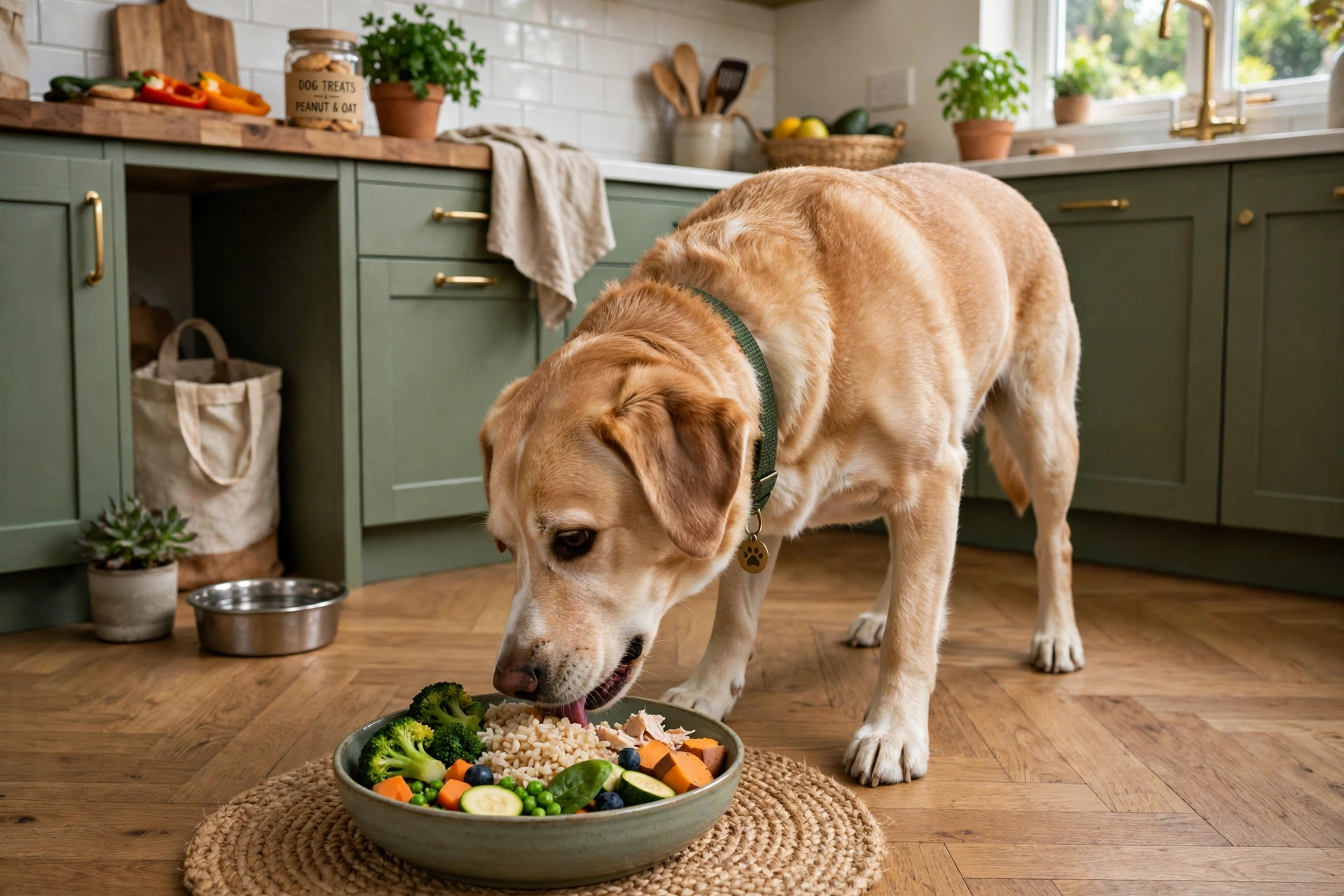
This guide explains dog nutrition in plain terms: what dogs need from their food, how to choose a good commercial food, how much to feed, how feeding changes from puppy to senior, and which foods are dangerous. It is general information for dog owners, not a replacement for veterinary advice. If your dog has a health problem, allergies or special needs, your veterinarian can recommend the right diet.

Donate Now
What dogs need from food
Dogs need six kinds of nutrients: protein, fat, carbohydrates, vitamins, minerals and water. Protein builds and repairs muscles, skin and coat. Good protein comes from meat, fish and eggs. Fat gives energy, keeps skin healthy and helps the body absorb vitamins. Carbohydrates from rice, oats, potatoes and vegetables give energy and fibre for healthy digestion. Vitamins and minerals support bones, teeth, nerves and immunity. Fresh water is needed at all times.
A complete commercial dog food contains all of these in the right balance, and that is why most vets recommend a complete food rather than home cooked meals, which are hard to balance without expert help. If you do cook for your dog, ask a veterinarian or a veterinary nutritionist to check the recipe, as a missing vitamin or mineral over months can cause real harm.
How to choose a good dog food
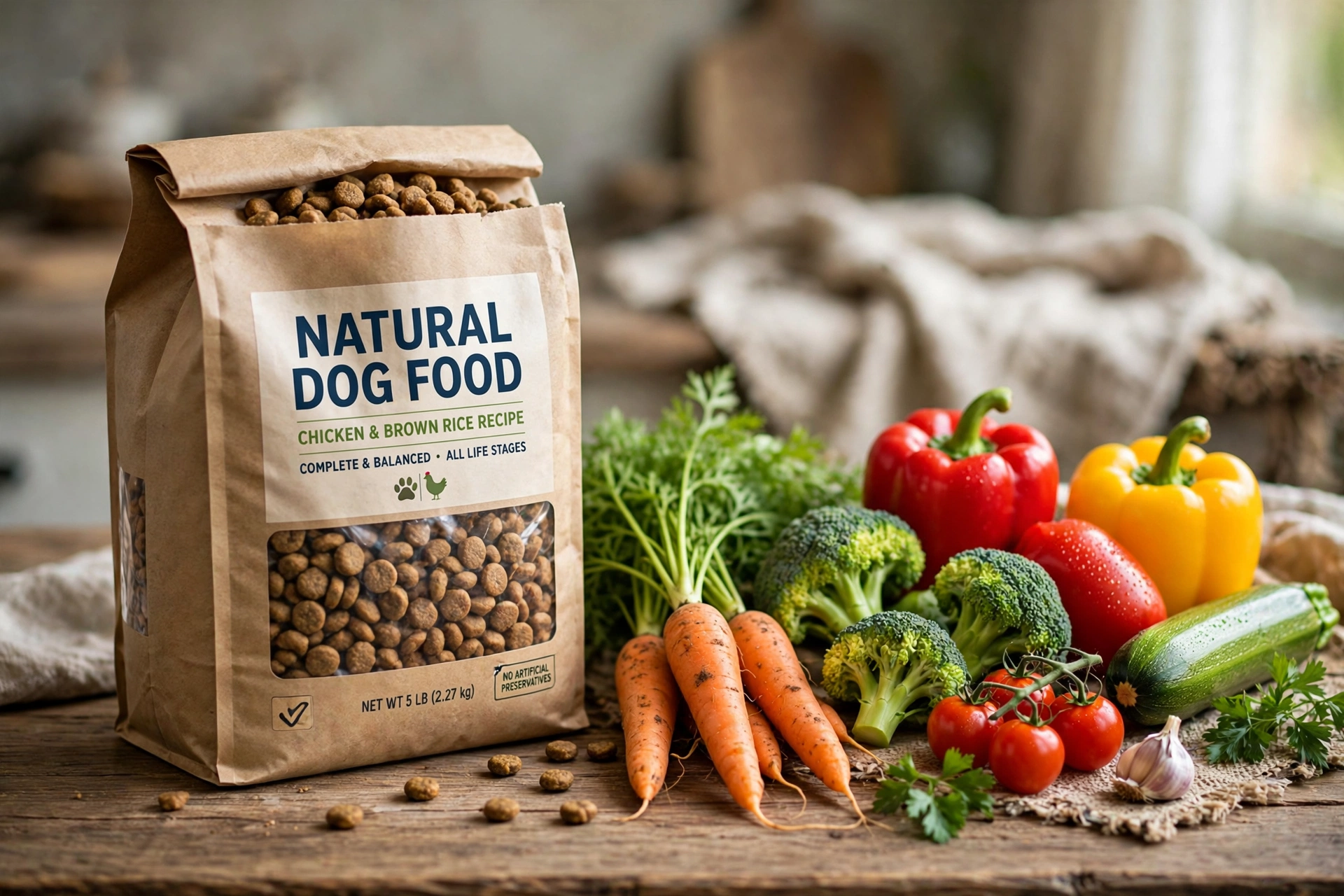
Start with the label. Look for a food that says “complete and balanced” and that names a specific animal protein first, such as chicken, lamb, beef or fish, rather than a vague term such as “meat”. Avoid foods where the first ingredients are fillers with little nutrition. The food should suit your dog’s life stage: puppy, adult or senior, as each stage has different needs.
Price is not a perfect guide, but very cheap foods often use lower quality ingredients. A mid priced food from a trusted brand is usually a good choice. Ask your veterinarian for a recommendation, especially if your dog is a puppy, a senior, very active, overweight, or has a sensitive stomach or skin. Change foods gradually over a week, mixing the new food with the old in growing amounts, so the stomach can adjust.
Dry food, wet food and raw food each have their fans. Dry food is convenient, helps clean teeth and is easy to measure. Wet food is softer, smells stronger and can tempt a fussy eater, and it adds water to the diet. Raw diets are popular with some owners, but they carry a risk of bacteria for both the dog and the family, and they are hard to balance. If you consider raw feeding, discuss it with your veterinarian first, and never feed cooked bones, which can splinter.
How much to feed
The amount on the packet is a starting point, not a rule. The right amount depends on your dog’s age, size, breed, activity and metabolism. A very active dog needs more than a couch potato of the same size. A puppy needs more, per kilo of body weight, than an adult.
Measure food with a cup or scales rather than guessing. A small error every day adds up to weight gain over months. Feed at regular times, usually twice a day for adult dogs, and take the bowl up after twenty minutes so the dog learns mealtimes. Keep treats to a small part of the daily diet, no more than about one tenth of daily calories, and count them in the total.
Check your dog’s weight and shape regularly. You should be able to feel the ribs easily under a thin layer of fat, and the dog should have a visible waist when viewed from above. If the ribs are hard to feel, or the waist has gone, the dog is overweight and the food amount should come down. Your vet can weigh the dog and set a target.
Feeding a puppy
Puppies grow fast and need food made for growth: more protein, more energy, and the right balance of calcium and phosphorus for bones. Feed a puppy food until the dog is fully grown, which is around twelve months for small breeds and up to eighteen to twenty four months for large breeds. Your vet can tell you when to switch.
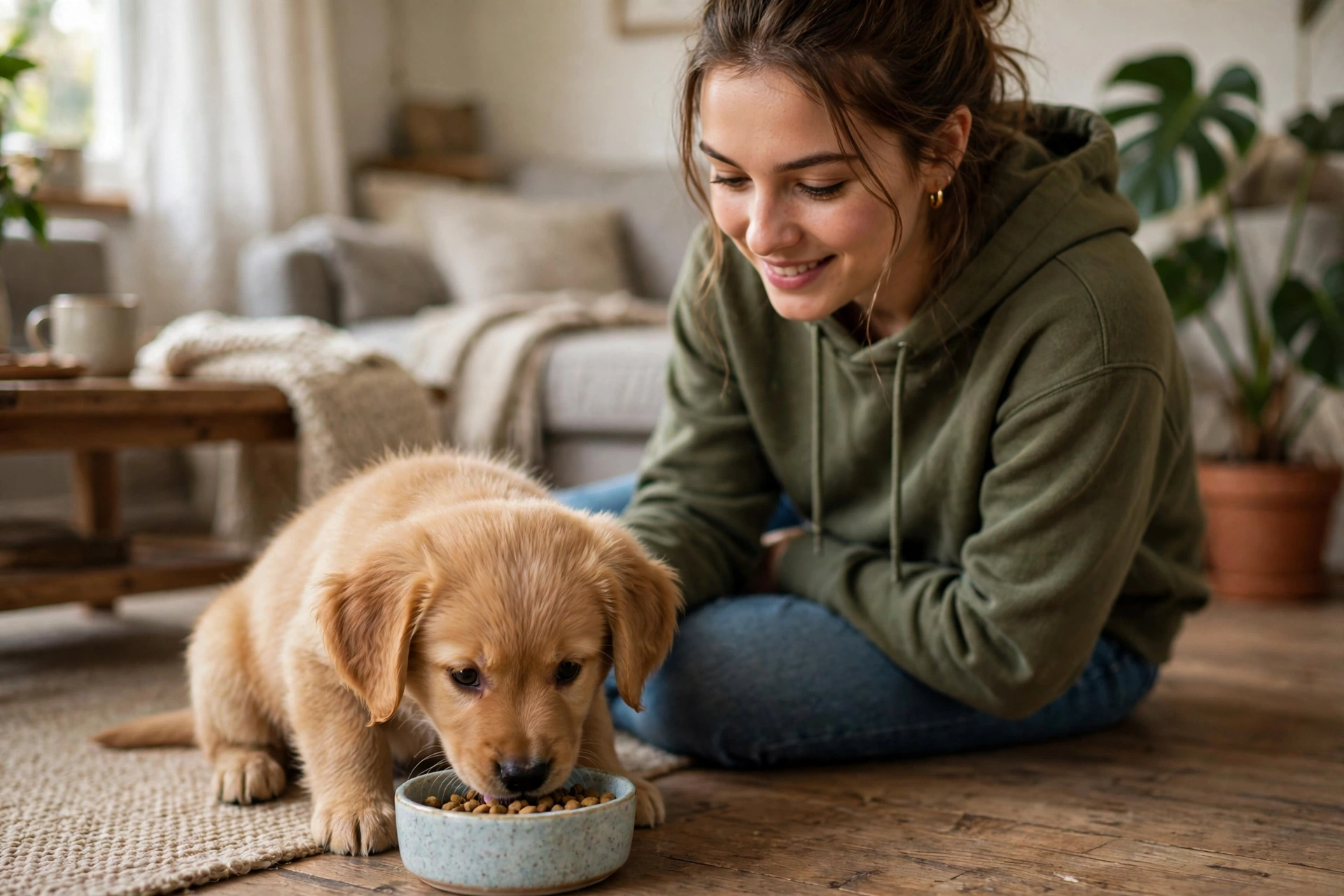
Young puppies need three to four small meals a day, moving to two meals a day at around six months. Small meals are easier to digest and keep energy steady. Always give fresh water, and keep the feeding area clean. Do not give a puppy adult food, as it does not have the nutrients a growing body needs, and do not add calcium supplements unless the vet tells you to, as too much calcium can harm a growing large breed puppy.
Feeding an adult dog
An adult dog needs a balanced adult food, fed twice a day, in measured amounts. The biggest mistake is overfeeding, which is the main cause of obesity in dogs. An overweight dog is more likely to develop joint problems, diabetes, heart disease and a shorter life.
Activity matters. A working dog, a very active dog, or a dog that runs daily needs more food than a dog that sleeps most of the day. Adjust the amount to the dog’s condition, not to the packet alone. If you increase exercise, increase food a little. If the dog is less active in winter, reduce it a little. A yearly vet check is a good time to review weight and food.
Feeding a senior dog
Older dogs often need fewer calories, as they move less, but they still need good quality protein to keep muscle. Senior foods are usually lower in calories and easier to digest, and some include joint support ingredients. If a senior dog is losing weight, losing muscle, or has kidney or other health problems, the vet may recommend a special diet.
Keep mealtimes regular and the food easy to eat. Some older dogs have sore teeth, so softer food or soaked dry food can help. Offer fresh water at all times, and watch how much the dog drinks, as drinking much more or much less than usual can be a sign of illness. Never change an old dog’s food suddenly, as the stomach is more sensitive with age.
Treats and extras
Treats are a wonderful training tool, but they are also the main source of extra weight. Use small treats, break large ones in half, and count them in the daily total. Healthy extras include small pieces of carrot, apple without pips, cucumber or plain cooked chicken. Avoid giving table scraps regularly, as human food is often too fatty and salty for dogs.
Bones need care. Raw bones from a butcher can be suitable for some dogs, but cooked bones are dangerous, as they splinter and can injure the mouth, throat or stomach. Never give a dog a cooked bone, and supervise any chewing. If in doubt, ask your vet.
Foods that are dangerous for dogs
Some common human foods are poisonous to dogs. Chocolate is dangerous, and dark chocolate is the most dangerous. Grapes and raisins can cause kidney failure. Onions, garlic, leeks and chives can damage red blood cells. Xylitol, a sweetener found in sugar free gum and some peanut butters, is very poisonous to dogs. Macadamia nuts, alcohol, caffeine, and raw dough are also dangerous. Cooked bones, as above, can splinter.
If your dog eats any of these, contact a veterinarian at once, even if the dog looks fine. Do not wait for signs, and do not try to make the dog vomit unless the vet tells you to. Keep these foods out of reach, and warn visitors and children not to feed the dog.
Donate Now
Changing foods and fussy eaters
Change food slowly over seven days: start with a small amount of the new food mixed into the old, and increase the new food a little each day. This avoids stomach upset. If the dog refuses the new food, try warming it slightly, adding a little warm water, or mixing in a spoonful of wet food. Do not keep offering new foods every day, as the dog will learn to hold out for something better.
A healthy dog that skips a meal now and then is usually fine, but a dog that refuses food for more than a day, or a puppy that refuses food for a few hours, should be seen by a vet. A sudden loss of appetite can be a sign of illness.
Water: the forgotten nutrient
Fresh, clean water should always be available. Dogs need water for digestion, circulation, temperature control and kidney health. Change the water at least once a day and wash the bowl regularly. A dog that drinks much more than usual, or much less, should be checked by a vet. On hot days, on walks, and after exercise, offer water often, and never leave a dog without water in a car or in the sun.
Special diets and allergies
Some dogs need a special diet for allergies, sensitive stomachs, kidney disease, diabetes or weight loss. Food allergies in dogs most often show as itchy skin, ear infections or stomach trouble. Finding the cause usually involves a food trial with the vet’s guidance, feeding one simple diet for several weeks and watching for improvement. Never guess at an allergy diet on your own, as an unbalanced diet can cause new problems.
If your vet prescribes a special food, follow it exactly, and do not add treats or extras that could undo the diet. Keep a note of what the dog eats and any reactions, so the vet can adjust the plan.
Conclusion
Feeding a dog well is simple when you know the basics: choose a complete food suited to the dog’s age, measure it, feed at regular times, keep treats small, give fresh water always, and avoid dangerous foods. Adjust the amount to the dog’s weight and activity, and change foods slowly. With a good diet and a healthy weight, a dog has the best chance of a long, active and happy life. If you are ever unsure about what to feed your dog, ask your veterinarian, who knows your dog’s needs best.
Donate Now
Help Dogs Get Treatment: Support the Dog Hospital Trust
Not every dog has an owner who can afford good food or veterinary treatment. The Dog Hospital trust collects donations to pay for veterinary treatment, medicines, vaccinations and care for dogs in need. Your donation, large or small, helps a sick or injured dog get the treatment it deserves.
You can donate through PayPal at vehari566@gmail.com, or by scanning the QR code below to donate through the trust’s TRC20 wallet. Every donation is voluntary, and keeping your payment receipt is a good idea. To learn more about the trust and how donations are used, visit the Donate page on this site. Thank you for helping dogs get treatment.
Donate Now
Donate Now
Frequently asked questions
What is the best food for my dog?
A complete and balanced food suited to your dog’s age, size and activity, from a trusted brand, with a named animal protein first on the label. Your veterinarian can recommend one for your dog.
How much should I feed my dog?
Use the packet as a starting point, measure the food, and adjust to your dog’s weight and shape. You should be able to feel the ribs easily and see a waist from above. Your vet can set a target weight.
Can I feed my dog human food?
Some plain foods such as cooked chicken, carrot and apple are fine in small amounts, but many human foods are too fatty or salty, and some, such as chocolate, grapes, onions and xylitol, are poisonous. Keep treats small and safe.
How often should I feed my dog?
Puppies need three to four small meals a day, moving to two meals at around six months. Adult dogs usually do best on two meals a day at regular times.
When should I change my dog’s food?
Change food gradually over a week when moving from puppy to adult food, adult to senior food, or to a new brand. A sudden change can upset the stomach. Ask your vet when to switch life stages.

0 Comments